What Is Angioplasty? Procedure, Risks, Recovery & Benefits Explained
Heart disease remains one of the leading causes of serious health complications across the world. One of the most common causes of heart attacks and chest pain is blockage in the coronary arteries, the blood vessels that supply oxygen rich blood to the heart muscle.
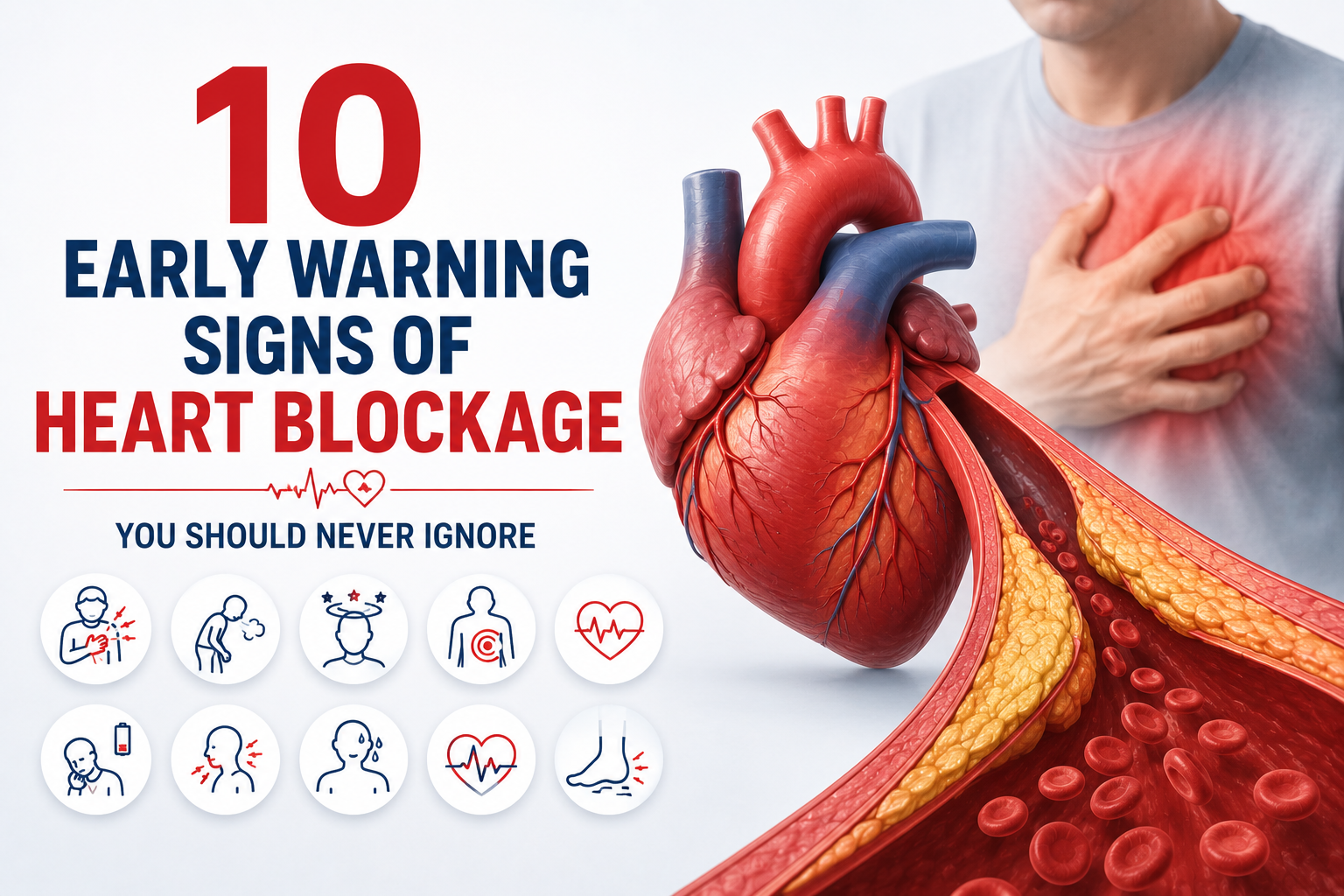
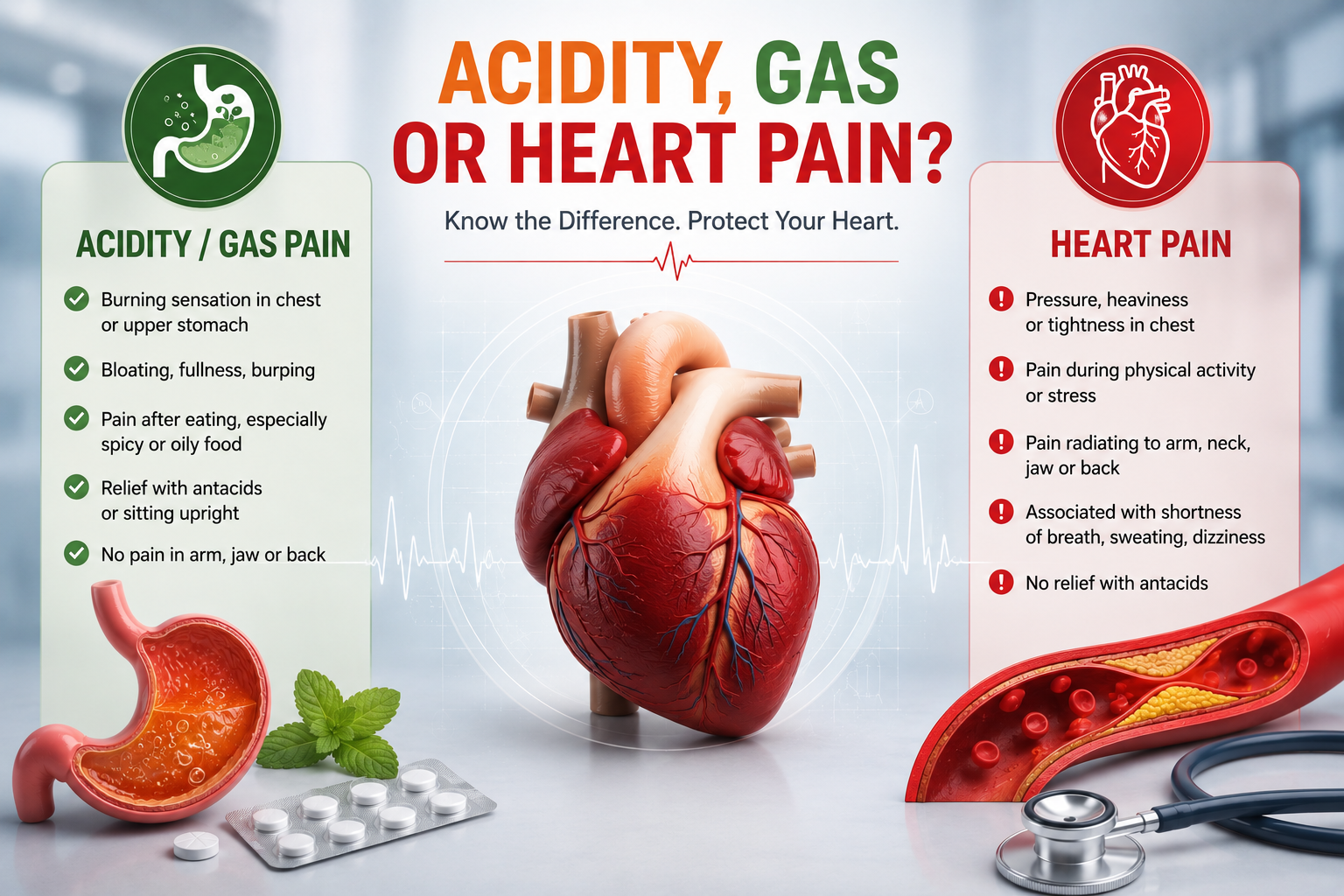
When these arteries become narrowed or blocked due to cholesterol buildup and plaque formation, blood flow to the heart reduces significantly. This may lead to symptoms such as chest pain, breathlessness, fatigue, dizziness, and in severe cases, heart attack.
One of the most commonly performed procedures to restore blood flow to the heart is angioplasty.
Although many people have heard the term, patients and families are often anxious because they do not fully understand what angioplasty involves, why it is needed, whether it is painful, and what recovery looks like afterward.
Understanding the procedure can help reduce fear and encourage timely treatment when required.
In this article, we explain what angioplasty is, why it is performed, how stents work, recovery expectations, risks, benefits, and important lifestyle changes after the procedure.
What Is Angioplasty?
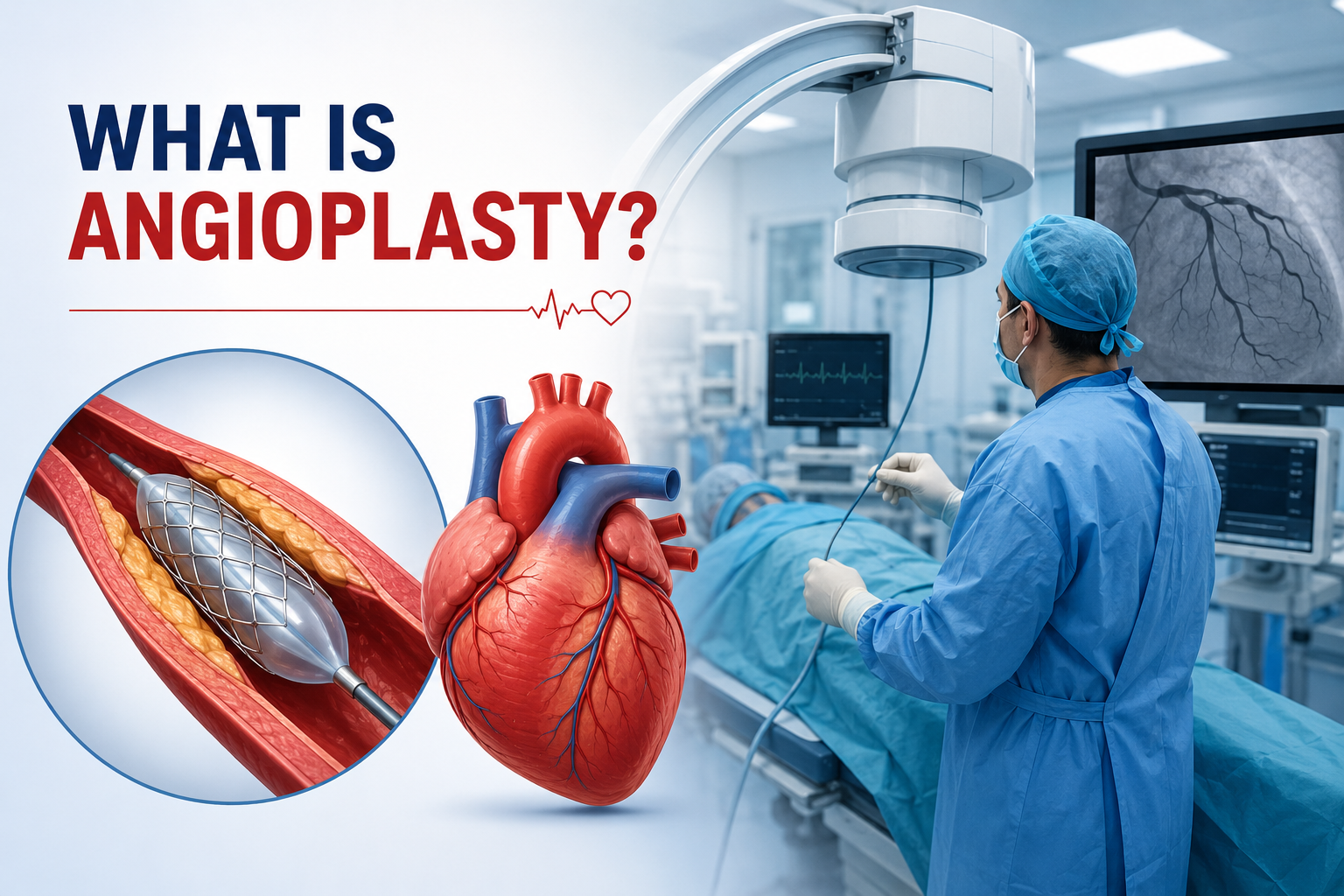
Angioplasty is a minimally invasive cardiac procedure used to open narrowed or blocked coronary arteries and restore blood flow to the heart muscle.
The procedure is also called:
- coronary angioplasty
- balloon angioplasty
- PTCA (Percutaneous Transluminal Coronary Angioplasty)
In most cases, a small mesh tube called a stent is placed inside the artery to keep it open after the blockage is cleared.
Angioplasty helps improve blood circulation and reduce symptoms caused by blocked arteries.
Why Is Angioplasty Needed?
Doctors may recommend angioplasty when coronary arteries become significantly narrowed or blocked.
Common reasons include:
- chest pain during activity
- reduced blood flow to the heart
- heart attack
- severe coronary artery disease
- abnormal stress test results
- worsening cardiac symptoms despite medications
Timely angioplasty can help prevent major cardiac complications and improve quality of life.
What Causes Artery Blockages?
Coronary artery blockages usually develop gradually due to plaque buildup inside the arteries.
Major contributing factors include:
- high cholesterol
- diabetes
- high blood pressure
- smoking
- obesity
- stress
- lack of exercise
- unhealthy diet
- family history of heart disease
Over time, plaque narrows the artery and restricts blood supply to the heart.
What Is a Stent?
A stent is a small expandable mesh tube placed inside the artery during angioplasty.
The stent helps:
- keep the artery open
- maintain blood flow
- reduce future narrowing
Modern stents are designed to improve long term artery function and reduce complications.
What Is a Stent?
A stent is a small expandable mesh tube placed inside the artery during angioplasty.
The stent helps:
- keep the artery open
- maintain blood flow
- reduce future narrowing
Modern stents are designed to improve long term artery function and reduce complications.
How Is Angioplasty Performed?
Angioplasty is usually performed in a specialised Cath Lab by an interventional cardiologist.
Step 1: Local Anaesthesia
The procedure is commonly performed under local anaesthesia.
Patients are usually awake but relaxed during the procedure.
Step 2: Catheter Insertion
A thin tube called a catheter is inserted through:
- wrist artery
or - groin artery
The catheter is carefully guided toward the heart arteries.
Step 3: Identifying the Blockage
Special contrast dye and imaging technology help doctors visualise the blocked artery.
This process is called coronary angiography.
Step 4: Balloon Expansion
A tiny balloon is inflated inside the narrowed artery to widen the blockage area.
Step 5: Stent Placement
In most cases, a stent is placed to keep the artery open and maintain blood flow.
How Long Does Angioplasty Take?
The procedure usually takes:
- 30 minutes to 2 hours
depending on:
- number of blockages
- complexity of disease
- patient condition
Emergency procedures during heart attacks may sometimes require urgent intervention.
Is Angioplasty Painful?
Most patients do not experience major pain during angioplasty.
Some people may feel:
- mild pressure
- temporary chest discomfort
- slight discomfort during balloon inflation
The procedure is generally well tolerated.
What Happens After Angioplasty?
After the procedure:
- patients are monitored closely
- blood pressure and heart rhythm are observed
- recovery begins gradually
Many patients are able to:
- walk within hours
return home within 1 to 3 days
depending on their condition.
Recovery After Angioplasty
Recovery time varies from person to person.
Important recovery recommendations include:
- taking medications regularly
- avoiding smoking
- healthy eating
- stress management
- gradual physical activity
- follow up checkups
- controlling diabetes and BP
Lifestyle changes are extremely important to prevent future artery blockage.
Can Arteries Become Blocked Again After Angioplasty?
Yes.
Although angioplasty improves blood flow significantly, arteries can become narrowed again if lifestyle risk factors are not controlled.
This is why long term heart care is essential.
Important preventive measures include:
- healthy diet
- exercise
- regular medications
- diabetes control
- cholesterol management
- smoking cessation
What Are the Benefits of Angioplasty?
Major benefits include:
- improved blood flow
- reduced chest pain
- improved breathing
- better physical activity tolerance
- reduced heart damage during heart attacks
- improved quality of life
In emergency situations, angioplasty can be life saving.
Are There Any Risks?
Like any medical procedure, angioplasty may have certain risks, although serious complications are relatively uncommon in experienced centres.
Possible risks include:
- bleeding
- infection
- blood clot formation
- artery damage
- irregular heartbeat
- kidney related complications
Doctors carefully evaluate patient condition before the procedure.
When Should Someone Consider Cardiac Evaluation?
You should seek cardiac evaluation if you experience:
- chest discomfort
- breathlessness
- fatigue during activity
- dizziness
- palpitations
- strong family history of heart disease
Ignoring symptoms may delay diagnosis and treatment.
How to Maintain Heart Health After Angioplasty
Long term heart health requires consistent lifestyle management.
Important measures include:
- regular exercise
- balanced nutrition
- stress reduction
- proper sleep
- avoiding smoking
- maintaining healthy weight
- regular preventive checkups
Heart care continues even after successful angioplasty.
Why Choose Cardea Superspeciality Hospital?
At Cardea Superspeciality Hospital, we focus on advanced and patient first cardiac care supported by experienced specialists and modern infrastructure.
Our cardiac services include:
- preventive cardiology
- ECG and ECHO evaluations
- treadmill testing
- advanced cardiac diagnostics
- coronary angiography
- angioplasty and stenting
- emergency cardiac care
- personalised treatment planning
With experienced cardiologists, advanced Cath Lab facilities, and compassionate care, Cardea supports patients through every stage of heart disease management and recovery.
Frequently Asked Questions About Angioplasty
Angioplasty is a minimally invasive procedure and does not involve major open heart surgery.
Many patients recover within a few days, although complete recovery and lifestyle adjustment may take longer.
Yes. Restoring blood flow can significantly reduce cardiac risk and improve heart function.
Yes. Doctors usually prescribe medications to prevent clot formation and maintain heart health.
Yes. Many patients return to active and healthy lives with proper lifestyle management and follow up care.
Yes. Poor lifestyle habits and uncontrolled risk factors may increase future blockage risk.
Conclusion
Angioplasty is one of the most effective and commonly performed procedures used to restore blood flow to the heart in patients with coronary artery disease.
Understanding how the procedure works, why stents are used, recovery expectations, and the importance of long term lifestyle changes can help patients and families feel more informed and confident during treatment.
Early diagnosis, timely intervention, and preventive heart care remain essential for maintaining long term cardiovascular health and reducing future cardiac complications.