Preventive Heart Checkups After 40 | Essential Cardiac Tests for Adults
As people grow older, the risk of heart disease gradually increases. In India, changing lifestyle habits, stress, diabetes, obesity, high cholesterol, poor sleep, and sedentary routines are causing cardiac problems to appear much earlier than before.
Unfortunately, many people only consult a doctor after symptoms become severe. However, heart disease often develops silently over many years before noticeable warning signs appear.
This is why preventive heart checkups are extremely important, especially after the age of 40.
Regular cardiac screening helps detect early risk factors and hidden heart conditions before they progress into serious complications such as heart attack, heart failure, stroke, or sudden cardiac arrest.
Preventive cardiology focuses on identifying risks early and helping individuals maintain long term heart health through timely diagnosis, lifestyle changes, and medical management when required.
In this article, we explain why preventive heart checkups matter, who should undergo screening, important cardiac tests, warning signs to watch for, and how regular heart evaluations can help protect overall health.
Why Preventive Heart Checkups Are Important
Heart disease does not always cause immediate symptoms.
Many individuals may have:
- high cholesterol
- early artery blockage
- hypertension
- diabetes
- irregular heartbeat
- reduced heart function
without knowing about it.
Preventive screening helps identify these conditions early, allowing doctors to begin timely intervention before complications occur.
Early detection often leads to:
- better treatment outcomes
- lower cardiac risk
- healthier lifestyle changes
- reduced emergency situations
- improved long term health
Why Heart Disease Risk Increases After 40
As the body ages, several changes affect cardiovascular health.
After 40 years of age:
- arteries may gradually stiffen
- cholesterol buildup may increase
- blood pressure may rise
- metabolism slows down
- stress related effects accumulate over time
Lifestyle factors over many years also contribute to long term heart strain.
This is why regular screening becomes increasingly important after middle age.
Who Should Definitely Consider Preventive Heart Screening?
Heart checkups are strongly recommended for individuals who:
- are above 40 years
- have diabetes
- have high blood pressure
- have high cholesterol
- smoke or use tobacco
- are overweight
- have family history of heart disease
- experience chronic stress
- lead sedentary lifestyles
- have poor sleep patterns
Even younger adults with strong risk factors may benefit from preventive cardiac evaluations.
Early Warning Signs That Should Never Be Ignored
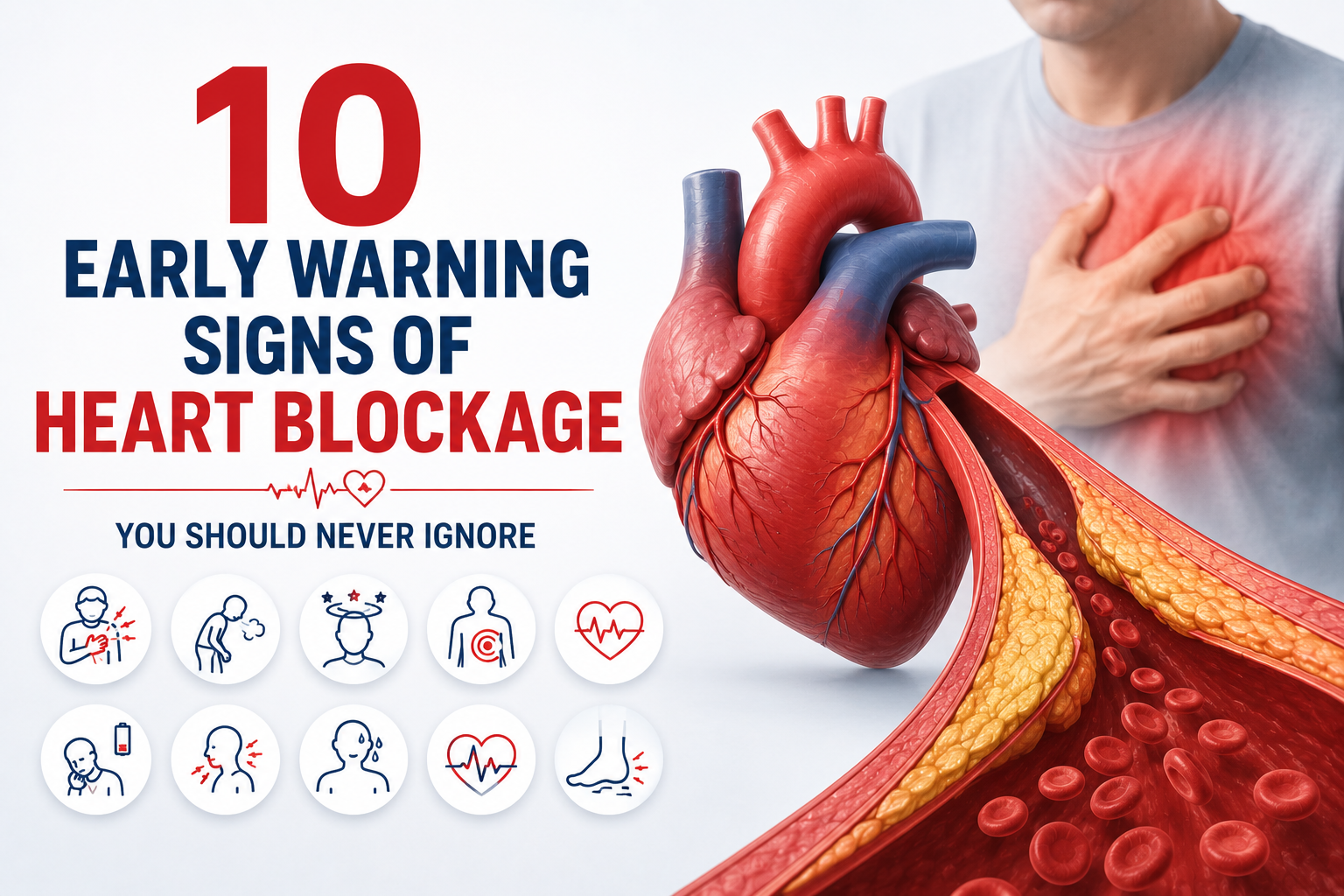
Although preventive checkups are important even without symptoms, some warning signs require immediate medical attention.
These include:
- chest discomfort
- breathlessness
- unusual fatigue
- dizziness
- palpitations
- sweating during activity
- pain radiating to arm or jaw
- reduced exercise tolerance
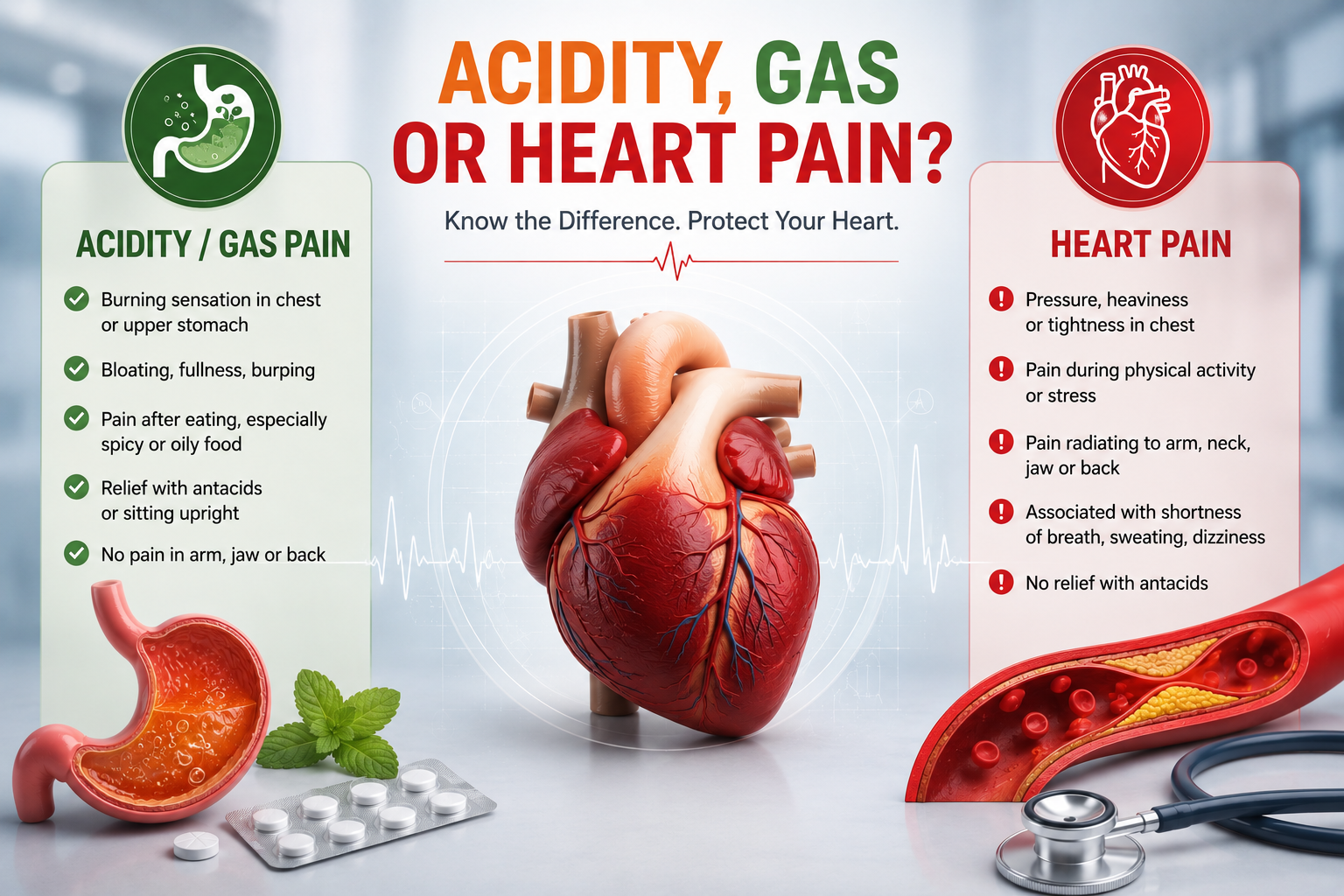
Many people ignore these symptoms assuming they are caused by acidity, stress, or tiredness.
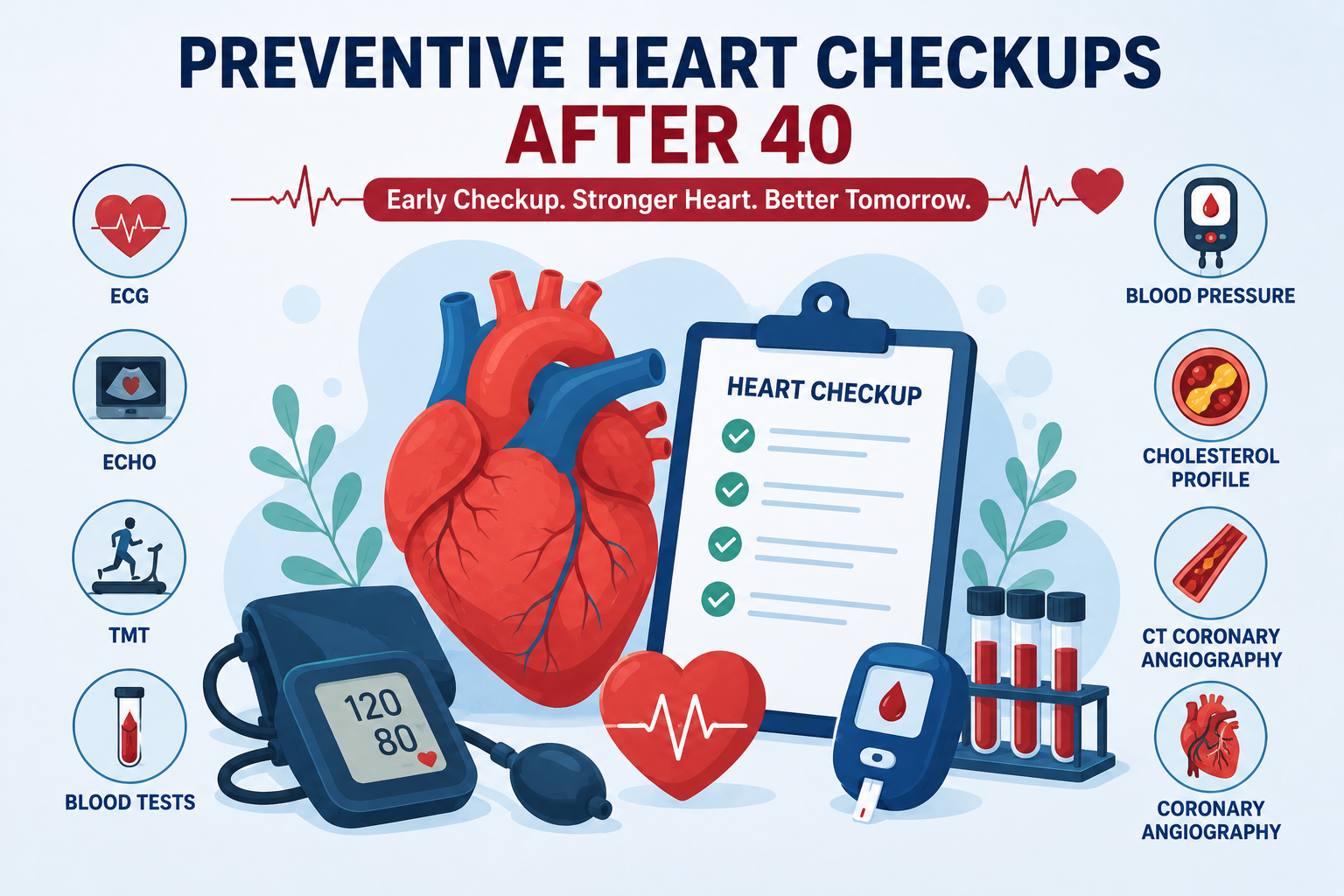
Essential Heart Tests Every Adult Should Consider
ECG (Electrocardiogram)
An ECG records the electrical activity of the heart.
It helps detect:
- rhythm abnormalities
- previous heart damage
- heart rate irregularities
This is one of the most basic and commonly recommended heart tests.
ECHO (Echocardiography)
An ECHO uses ultrasound technology to evaluate:
- heart structure
- pumping function
- valve function
- blood flow patterns
It provides detailed information about overall heart health.
Blood Pressure Monitoring
High blood pressure is often called a silent killer because it may not produce symptoms initially.
Regular BP monitoring helps identify hypertension early.
Blood Sugar Tests
Diabetes significantly increases the risk of heart disease.
Blood sugar evaluation helps identify:
- diabetes
- prediabetes
- metabolic abnormalities
Cholesterol Profile
A lipid profile measures:
- LDL cholesterol
- HDL cholesterol
- triglycerides
- total cholesterol
High cholesterol contributes to artery blockage and coronary artery disease.
TMT (Treadmill Test)
A treadmill test evaluates heart function during physical activity.
This test helps identify:
- reduced blood supply to the heart
- exercise induced symptoms
- cardiac stress response
CT Coronary Angiography
This advanced imaging test helps detect:
- artery narrowing
- plaque buildup
- coronary artery disease
It is often recommended for individuals with higher cardiac risk.
Coronary Angiography
Coronary angiography is considered one of the most accurate methods for identifying coronary artery blockages.
It helps doctors assess:
- location of blockage
- severity of blockage
- treatment planning
Can Preventive Heart Checkups Detect Silent Heart Disease?
Many cardiac conditions develop silently without obvious symptoms.
Preventive screening can help identify:
- hidden artery blockages
- abnormal heart rhythms
- hypertension
- early diabetes
- reduced heart function
Detecting these issues early greatly improves treatment outcomes.
How Lifestyle Impacts Heart Health
Daily habits play a major role in long term cardiac health.
Common lifestyle factors affecting the heart include:
- unhealthy diet
- lack of exercise
- smoking
- alcohol consumption
- poor sleep
- stress
- obesity
Even small changes maintained consistently can significantly improve heart health over time.
How to Maintain a Healthy Heart After 40
Important preventive measures include:
- regular exercise
- balanced nutrition
- maintaining healthy weight
- stress management
- proper sleep
- avoiding smoking
- controlling diabetes and BP
- regular preventive health checkups
Consistency is the key to long term cardiovascular wellness.
Can Younger Adults Also Benefit From Heart Screening?
Yes.
Due to rising lifestyle related diseases, younger adults with risk factors such as:
- obesity
- diabetes
- smoking
- stress
- family history
may also require preventive heart evaluations.
Heart disease is increasingly affecting younger age groups in India.
When Should You Consult a Cardiologist?
You should consider consulting a cardiologist if you:
- are above 40 years
- have diabetes or hypertension
- have family history of heart disease
- experience chest discomfort
- notice breathlessness
- experience palpitations
- feel unusual fatigue
Early consultation helps reduce long term cardiac complications.
Why Choose Cardea Superspeciality Hospital?
At Cardea Superspeciality Hospital, we focus on comprehensive and preventive cardiac care supported by experienced specialists and advanced diagnostic infrastructure.
Our cardiac services include:
- preventive cardiology
- ECG and ECHO evaluations
- treadmill testing
- advanced cardiac diagnostics
- CT coronary evaluations
- coronary angiography
- angioplasty and stenting
- personalised risk assessment
With experienced cardiologists, modern Cath Lab facilities, and compassionate care, Cardea supports patients across every stage of heart health management.
Frequently Asked Questions About Heart Blockage
Adults above 40 years should strongly consider regular heart screening. Earlier screening may be needed for high risk individuals.
Yes. Many people develop silent heart disease without obvious warning si
Frequency depends on age, symptoms, and risk factors. Doctors may recommend annual evaluations for many adults above 40.
No. ECG is important but additional tests such as ECHO, TMT, blood tests, or angiography may also be required.
Yes. Chronic stress contributes significantly to hypertension and cardiovascular disease.
Yes. Even healthy appearing individuals may have hidden cardiac risk factors or family history related risks.
Conclusion
Preventive heart checkups play a crucial role in identifying cardiac risks before serious complications develop.
With increasing rates of diabetes, hypertension, stress, obesity, and sedentary lifestyle patterns, regular heart screening after 40 has become more important than ever.
Early detection, timely medical guidance, and healthy lifestyle choices can significantly reduce the risk of heart attacks and other cardiovascular conditions.
Taking proactive steps today can help protect long term heart health and overall quality of life.