Why Heart Attacks Are Increasing in Younger Adults in India | Cardea Superspeciality Hospital
Heart attacks were once considered a condition affecting mainly older adults. However, over the last decade, India has witnessed a worrying rise in heart attacks among younger individuals, including people in their 20s, 30s, and early 40s.
Today, it is no longer uncommon to hear about young professionals, entrepreneurs, fitness enthusiasts, or otherwise healthy appearing individuals experiencing sudden cardiac events.
This growing trend has raised serious concerns among doctors and healthcare experts across the country.
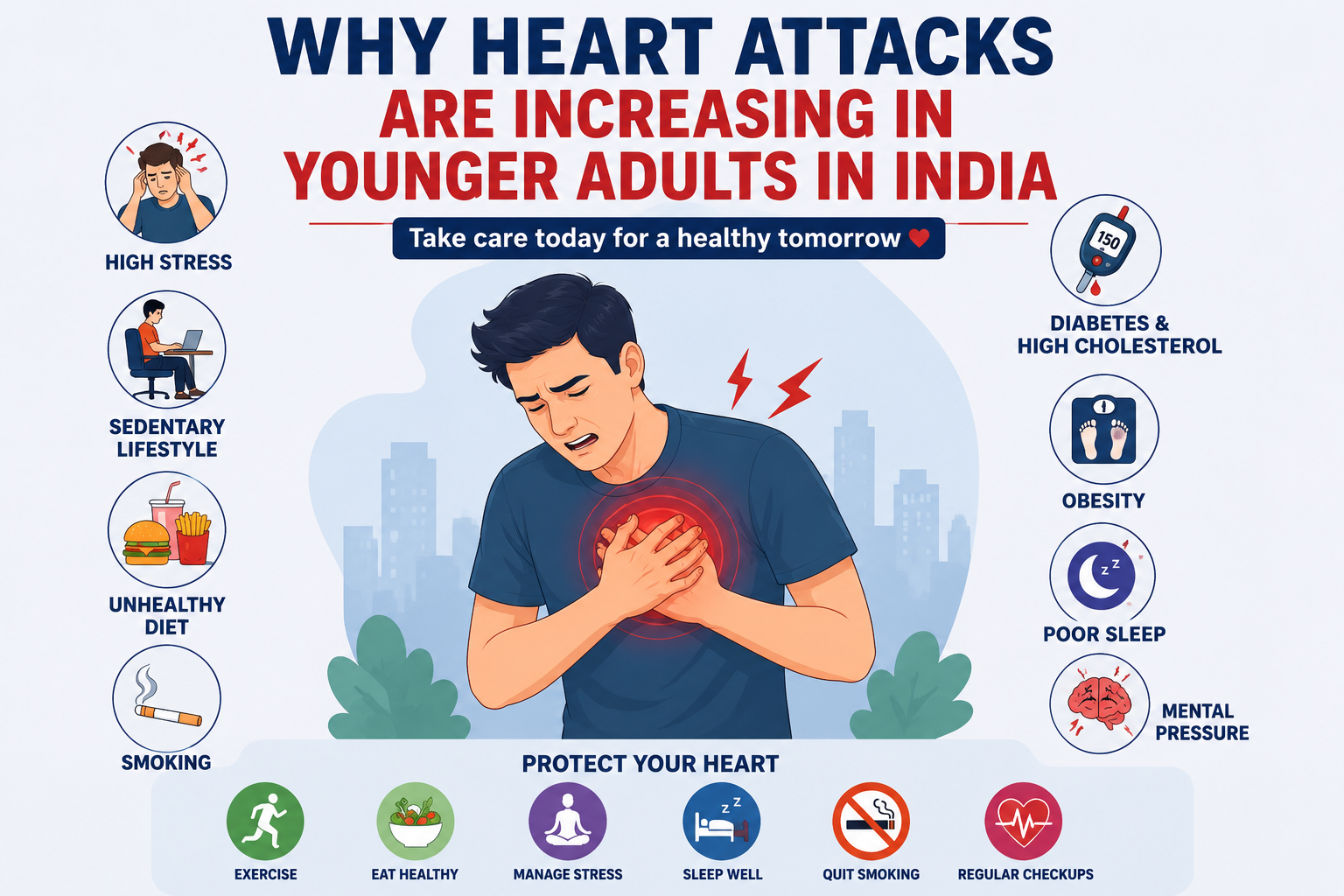
Several lifestyle, metabolic, emotional, and environmental factors are contributing to this increase. Long working hours, chronic stress, poor sleep, unhealthy food habits, smoking, obesity, diabetes, and sedentary lifestyles are all affecting cardiovascular health at a much younger age.
One of the most dangerous aspects of heart disease in younger adults is that symptoms are often ignored because people assume they are “too young” to have heart problems.
Understanding why heart attacks are increasing in younger adults is important because early awareness, preventive screening, and timely lifestyle changes can significantly reduce long term cardiac risk.
In this article, we explore the causes behind rising heart disease among young adults in India, warning signs, risk factors, prevention strategies, and the importance of early heart care.
Why Are Heart Attacks Increasing in Younger Adults?
Several interconnected lifestyle and health factors are contributing to rising cardiac risk among younger individuals.
Modern lifestyles have dramatically changed over the past 2 decades.
Today’s younger population faces:
- higher stress levels
- irregular sleep patterns
- sedentary work culture
- unhealthy food consumption
- reduced physical activity
- increased screen time
- mental health strain
- smoking and alcohol use
These factors collectively increase pressure on the cardiovascular system.
Stress and Modern Lifestyle
Chronic stress has become one of the biggest contributors to heart disease among younger adults.
High pressure careers, financial concerns, lack of work life balance, emotional strain, and constant digital exposure increase stress hormones within the body.
Long term stress may contribute to:
- high blood pressure
- poor sleep
- unhealthy eating patterns
- weight gain
- increased inflammation
- higher cardiac strain
Stress also indirectly increases smoking, alcohol intake, and sedentary behaviour.
Lack of Physical Activity
Many younger adults spend long hours sitting:
- at offices
- in front of computers
- during travel
- using phones and devices
Reduced movement slows metabolism and contributes to:
- obesity
- diabetes
- poor circulation
- increased cholesterol
- hypertension
Even people who exercise occasionally may still face risks if overall daily movement is low.
Unhealthy Food Habits
Unhealthy Food Habits
Dietary patterns have changed significantly in urban lifestyles.
Common concerns include:
- processed foods
- excess sugar intake
- fast food consumption
- fried foods
- high sodium intake
- excessive caffeine
- irregular meal timings
These habits increase the risk of:
- obesity
- diabetes
- cholesterol imbalance
- inflammation
- artery blockage
Smoking and Tobacco Use
Smoking remains one of the strongest risk factors for heart disease in younger adults.
Smoking damages blood vessels and increases:
- blood pressure
- artery inflammation
- clot formation risk
- oxygen deprivation
Even occasional smoking can negatively affect cardiovascular health.
Diabetes and High Cholesterol at Younger Ages
India is witnessing increasing rates of:
- diabetes
- prediabetes
- obesity
- metabolic syndrome
These conditions are now affecting individuals much earlier in life.
Uncontrolled diabetes and high cholesterol accelerate artery blockage and increase the risk of heart attacks.
Poor Sleep and Irregular Schedules
Sleep deprivation has become extremely common among younger adults.
Lack of sleep may contribute to:
- hormonal imbalance
- stress
- high blood pressure
- obesity
- poor metabolism
- increased inflammation
Night shifts, late night screen exposure, and irregular routines also affect heart health over time.
Can Fit or Active Looking People Also Get Heart Attacks?
Yes.
Even physically active or slim individuals may develop heart disease due to:
- genetic predisposition
- smoking
- stress
- cholesterol abnormalities
- hidden metabolic issues
- overtraining without recovery
This is why preventive health checkups are important even for younger individuals who appear healthy externally.
Early Warning Signs of Heart Problems in Young Adults
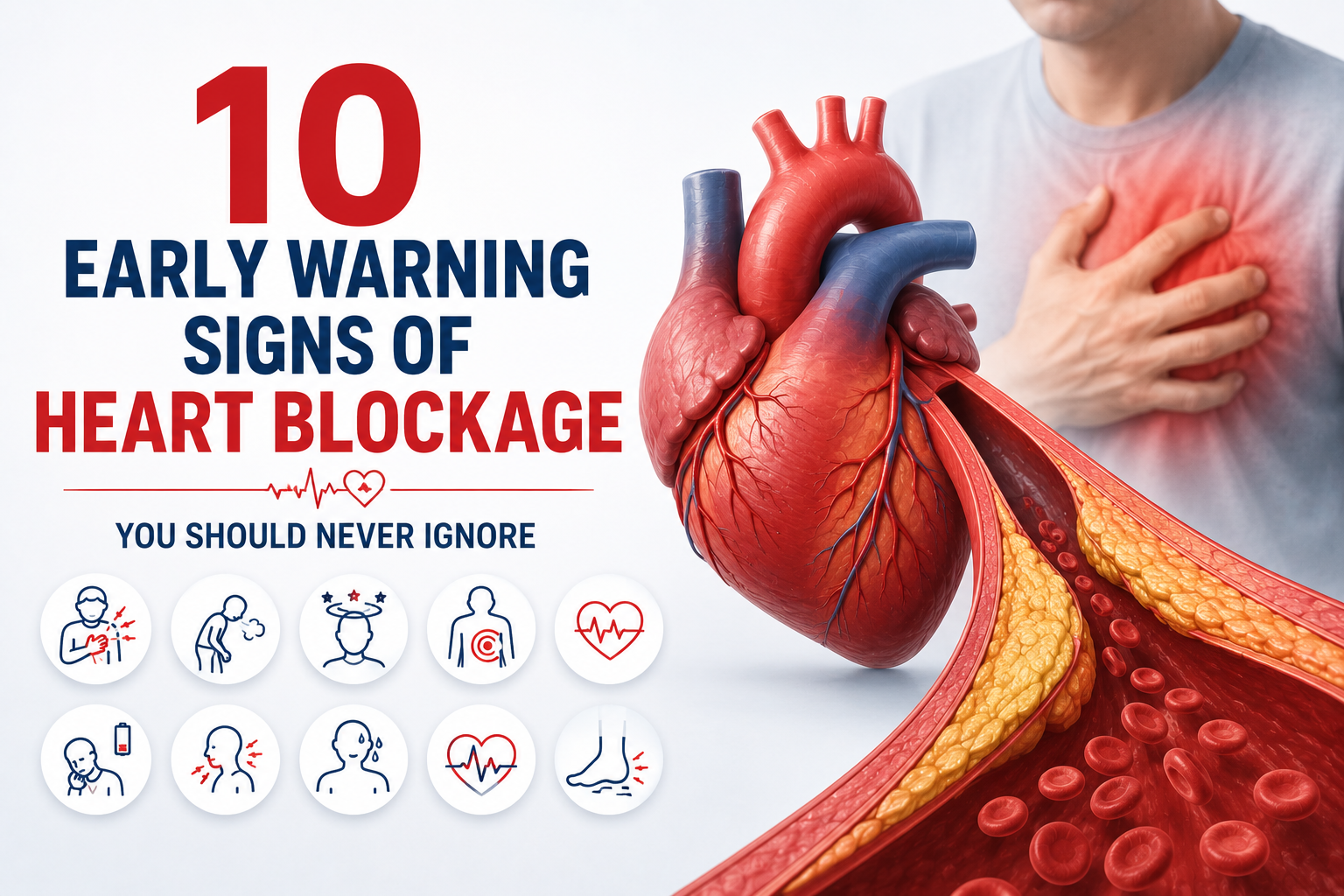
Younger adults often ignore early symptoms assuming they are caused by stress, acidity, or fatigue.
Important warning signs include:
- chest discomfort
- heaviness in the chest
- breathlessness
- unusual fatigue
- dizziness
- palpitations
- jaw or arm pain
- sweating during minimal exertion
Symptoms during physical activity should never be ignored.
Can Heart Attacks Occur Without Symptoms?
Yes.
Some individuals may experience silent heart disease without obvious symptoms.
This is especially common among:
- diabetic patients
- individuals with high stress
- people with sedentary lifestyle
- those with family history of heart disease
Preventive screening becomes extremely important in such cases.
How Family History Increases Cardiac Risk
Genetics plays a major role in cardiovascular health.
You may have increased risk if:
- parents had heart disease
- family members had early heart attacks
- there is history of diabetes or hypertension
Lifestyle modifications become even more important for individuals with strong family history.
How Are Heart Problems Diagnosed?
Doctors may recommend several tests based on symptoms and risk profile.
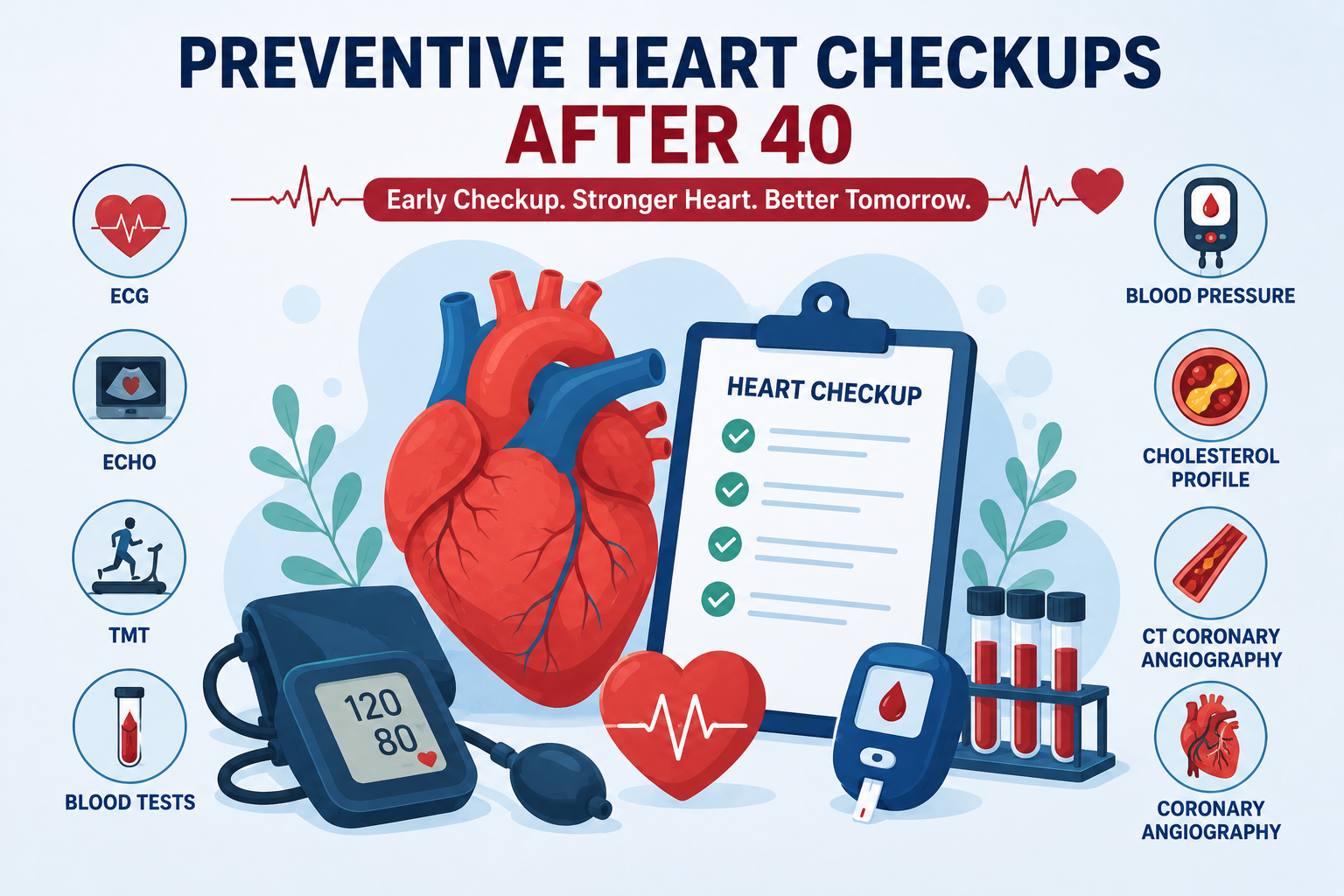
ECG (Electrocardiogram)
An ECG records the electrical activity of the heart.
ECHO (Echocardiography)
An ECHO helps assess heart structure and pumping function.
TMT (Treadmill Test)
This evaluates heart function during exercise.
Blood Tests
Tests may include:
- cholesterol profile
- blood sugar
- inflammatory markers
- cardiac enzyme tests
CT Coronary Angiography
This imaging test helps identify artery narrowing and blockages.
Coronary Angiography
This procedure provides detailed visualisation of coronary artery blockages.
How Younger Adults Can Protect Their Heart Health
Preventive care is extremely important.
Important lifestyle changes include:
- regular physical activity
- balanced nutrition
- proper sleep
- stress management
- smoking cessation
- maintaining healthy weight
- controlling diabetes and BP
- regular preventive screening
Consistency is more important than temporary lifestyle changes.
When Should Young Adults Consult a Cardiologist?
Medical evaluation should be considered if you experience:
- chest discomfort
- breathlessness
- palpitations
- dizziness
- unusual fatigue
- strong family history of heart disease
- diabetes or hypertension at younger age
Early detection significantly improves outcomes
Why Choose Cardea Superspeciality Hospital?
At Cardea Superspeciality Hospital, we focus on comprehensive, ethical, and patient first cardiac care supported by experienced specialists and modern infrastructure.
Our cardiac services include:
- preventive cardiology
- ECG and ECHO evaluations
- treadmill testing
- advanced cardiac diagnostics
- coronary angiography
- angioplasty and stenting
- personalised cardiac risk assessment
- emergency cardiac care
With experienced cardiologists, advanced Cath Lab facilities, and compassionate care, Cardea supports patients across every stage of heart health management.
Frequently Asked Questions About Heart Blockage
Yes. Heart attacks are increasingly affecting younger adults due to lifestyle and metabolic risk factors.
Chronic stress significantly increases cardiac risk by affecting blood pressure, hormones, inflammation, and lifestyle habits.
No. Even slim individuals may develop heart disease due to genetics, smoking, stress, or cholesterol abnormalities.
Yes. Fitness alone does not completely eliminate cardiac risk, especially if other risk factors exist.
Individuals above 30 years with risk factors such as diabetes, smoking, obesity, or family history should consider preventive screening.
Yes. Poor sleep increases stress, blood pressure, inflammation, and metabolic imbalance.
Conclusion
The rise in heart attacks among younger adults in India is becoming an increasingly serious health concern.
Stress, poor lifestyle habits, lack of sleep, smoking, obesity, diabetes, and sedentary behaviour are all contributing to increasing cardiac risk at younger ages.
One of the biggest dangers is delayed recognition because many younger individuals assume they are too young to develop heart disease.
Recognising warning signs early, prioritising preventive health checkups, and adopting heart healthy lifestyle habits can significantly reduce long term cardiac complications.
Heart health awareness should begin early, not after symptoms become severe.