Difference Between Acidity, Gas, and Heart Pain | Cardea Superspeciality Hospital
Chest discomfort is one of the most common symptoms that causes fear and confusion among people. Many individuals struggle to understand whether their pain is due to simple acidity, gas buildup, muscle strain, anxiety, or something more serious such as a heart problem.
This confusion often delays timely medical attention. Some people ignore dangerous cardiac symptoms assuming it is only acidity, while others panic unnecessarily over temporary digestive discomfort.
Although acidity and heart related pain can sometimes feel similar, there are important differences that can help identify warning signs requiring immediate medical evaluation.
Heart related chest pain occurs when the heart muscle does not receive enough oxygen rich blood due to reduced blood flow in the coronary arteries. On the other hand, acidity and gas related discomfort are generally linked to digestive issues such as acid reflux, indigestion, bloating, or trapped gas.
Understanding these differences is extremely important because early identification of cardiac symptoms can help prevent serious complications including heart attacks and sudden cardiac emergencies.
In this article, we explain the difference between acidity, gas pain, and heart pain, common symptoms, risk factors, warning signs, and when to seek urgent medical attention.
What Is Acidity or Acid Reflux?
Acidity occurs when stomach acid flows backwards into the food pipe, causing irritation and discomfort.
This condition is commonly known as acid reflux or GERD (Gastroesophageal Reflux Disease).
Acidity may develop due to:
- spicy or oily food
- overeating
- irregular eating habits
- excessive caffeine intake
- stress
- smoking
- alcohol consumption
- lying down immediately after meals
Many people experience acidity occasionally, but frequent symptoms should not be ignored.
What Is Heart Related Chest Pain?
Heart related chest pain occurs when blood flow to the heart muscle becomes reduced due to narrowing or blockage in the coronary arteries.
This condition may indicate:
- angina
- coronary artery disease
- heart attack
- reduced blood supply to the heart
Unlike acidity, heart pain may become life threatening if ignored.
Immediate evaluation is necessary when symptoms suggest a possible cardiac problem.
Common Symptoms of Acidity or Gas Related Pain
Burning Sensation in the Chest
Acidity often causes a burning feeling in the chest or upper stomach area, especially after meals.
The discomfort may worsen:
- after eating spicy food
- while lying down
- after overeating
- during late night meals
Bloating and Fullness
People may experience:
- stomach bloating
- heaviness after meals
- trapped gas sensation
- abdominal discomfort
Burping or Sour Taste
Acid reflux may cause:
- frequent burping
- sour taste in the mouth
- regurgitation of food or acid
Pain That Improves With Antacids
Acidity related discomfort often improves after:
- antacid medication
- drinking water
- sitting upright
- avoiding trigger foods
Pain Related to Meals
Digestive discomfort is often closely linked to eating patterns.
Symptoms may occur:
- after heavy meals
- after oily or spicy foods
- during indigestion
Common Symptoms of Heart Related Chest Pain
Chest Pressure or Tightness
Heart pain is often described as:
- heaviness in the chest
- squeezing sensation
- pressure in the centre of the chest
- tightness during physical activity
Unlike acidity, it may not feel like burning alone.
Pain Radiating to Other Areas
Heart pain may spread to:
- left arm
- both shoulders
- jaw
- neck
- upper back
This is one of the major warning signs of cardiac involvement.
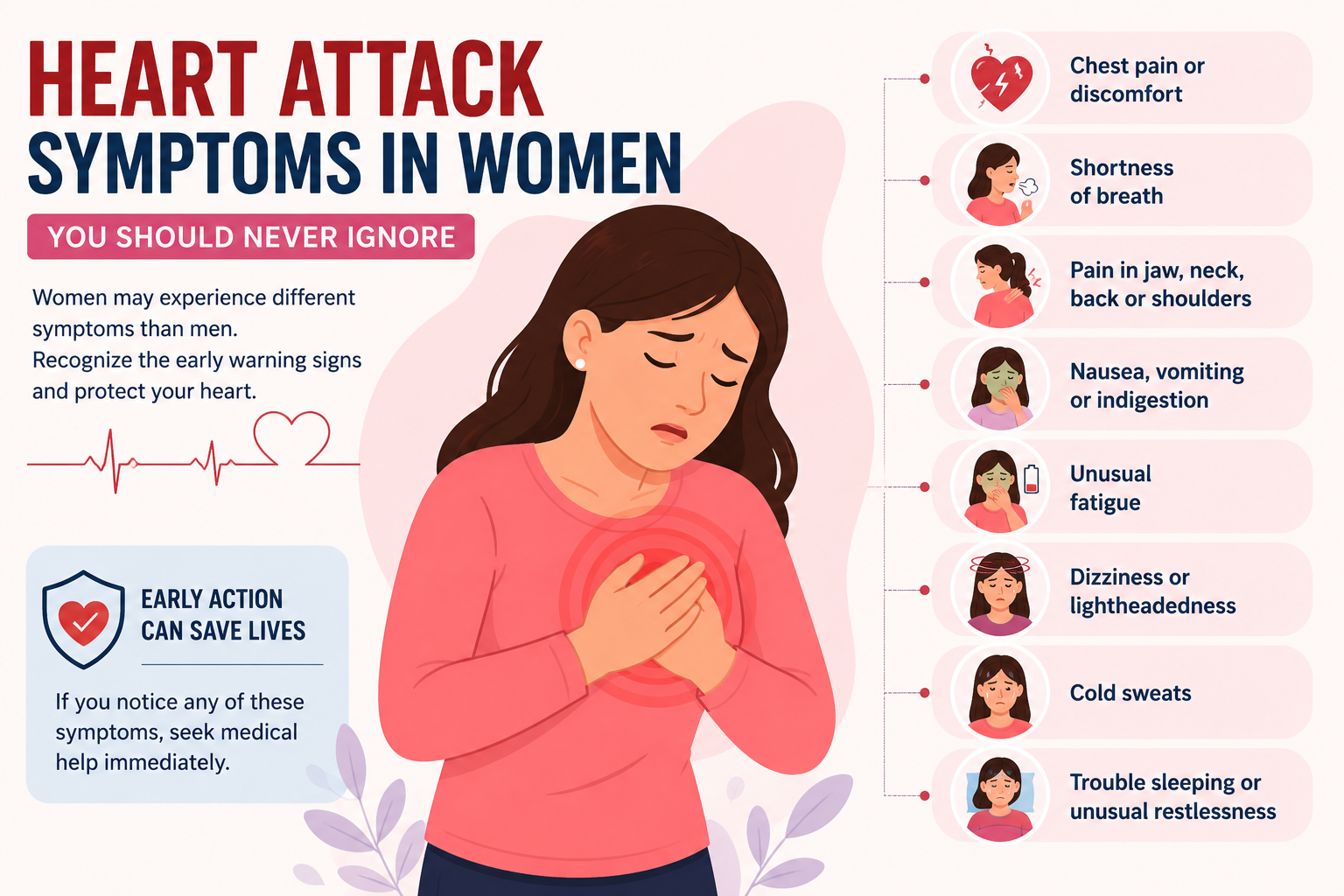
Shortness of Breath
Breathlessness occurring with chest discomfort may indicate a heart problem.
People may experience:
- difficulty climbing stairs
- inability to walk comfortably
- breathlessness at rest
Cold Sweating
Heart related pain may be associated with:
- sudden sweating
- clammy skin
- cold sweats
This symptom requires urgent medical evaluation.
Dizziness or Weakness
Reduced blood flow to the heart may cause:
- dizziness
- weakness
- faintness
- unusual fatigue
Pain During Physical Activity
One major difference is that cardiac pain often worsens during:
- walking
- climbing stairs
- exercise
- stress
It may improve temporarily with rest.
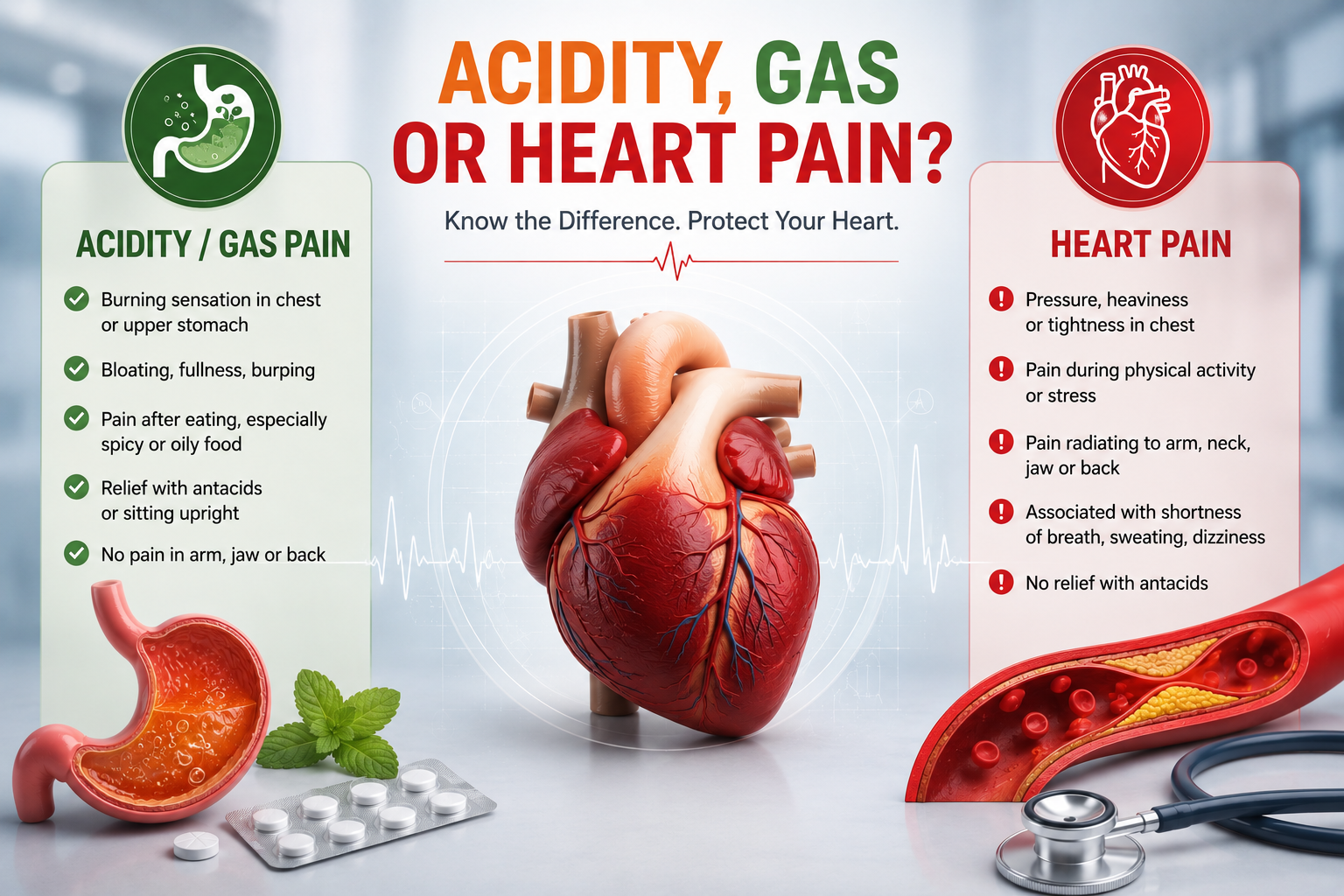
Key Differences Between Acidity and Heart Pain
Nature of Pain
Acidity usually causes:
- burning sensation
- upper stomach discomfort
- bloating
Heart pain usually causes:
- pressure
- heaviness
- tightness
- squeezing sensation
Relation to Meals
Acidity is commonly linked to food intake.
Heart pain may occur during physical exertion or stress rather than after meals alone.
Response to Antacids
Acidity often improves with antacid medication.
Heart pain generally does not improve significantly with digestive remedies.
Associated Symptoms
Heart related chest pain may occur with:
- sweating
- breathlessness
- arm pain
- jaw pain
- dizziness
These symptoms are less common in simple acidity.
Can Heart Attacks Be Mistaken for Acidity?
Yes.
Many people initially mistake heart attack symptoms for acidity or gas.
This is especially common among:
- women
- diabetic patients
- elderly individuals
Some heart attacks present with:
- upper stomach discomfort
- nausea
- mild chest heaviness
- burning sensation
Ignoring these symptoms can delay life saving treatment.
Who Is at Higher Risk of Heart Disease?
You may have a higher cardiac risk if you:
- are above 40 years
- have diabetes
- have high blood pressure
- smoke
- are overweight
- have high cholesterol
- lead a sedentary lifestyle
- have family history of heart disease
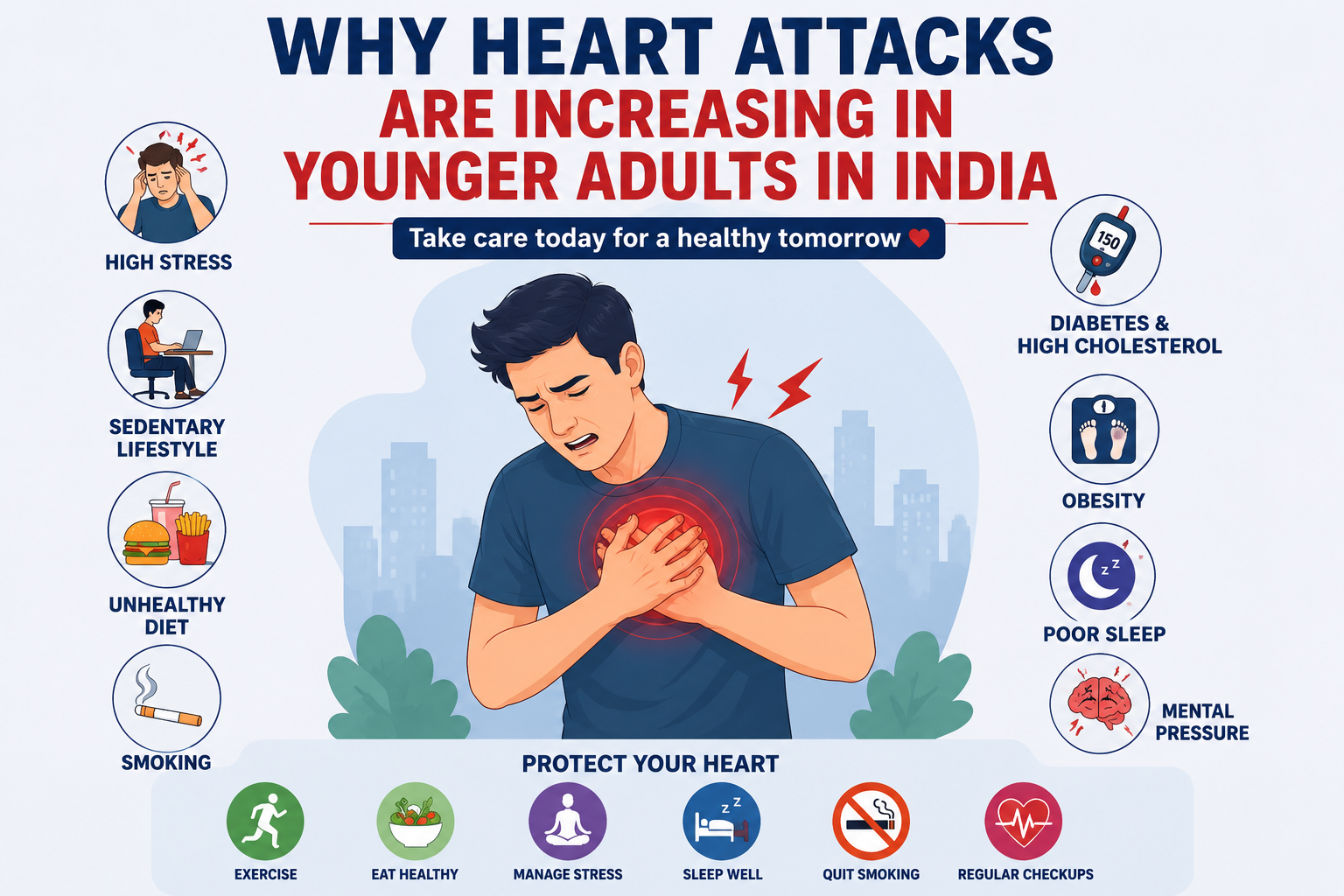
- experience chronic stress
People with these risk factors should never ignore chest discomfort.
When Should Chest Pain Be Taken Seriously?
Seek immediate medical attention if chest discomfort is associated with:
- shortness of breath
- sweating
- dizziness
- arm pain
- jaw pain
- severe heaviness
- fainting
- symptoms during physical activity
Early diagnosis can save lives.
How Are Heart Problems Diagnosed?
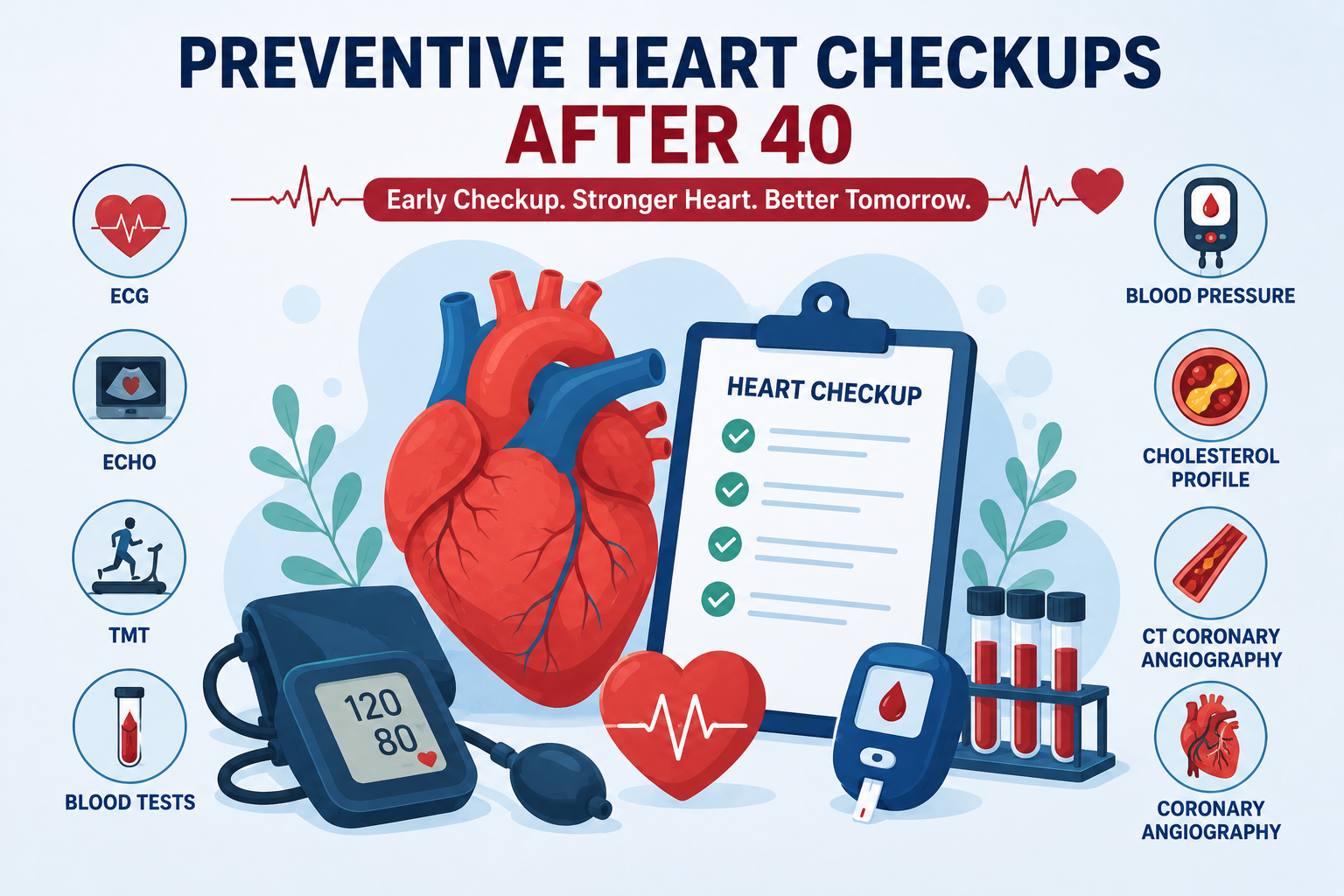
Doctors may recommend several tests to evaluate chest pain
ECG (Electrocardiogram
An ECG records the electrical activity of the heart.
ECHO (Echocardiography)
An ECHO evaluates heart structure and pumping function.
TMT (Treadmill Test)
This test assesses heart function during physical activity.
Blood Tests
Cardiac enzyme tests may help detect heart muscle damage.
Coronary Angiography
This procedure helps identify artery blockages and severity.
How to Reduce the Risk of Both Acidity and Heart Disease
Simple lifestyle modifications can improve both digestive and heart health.
Important steps include:
- regular exercise
- healthy balanced diet
- avoiding smoking
- limiting oily and processed foods
- stress management
- maintaining healthy weight
- avoiding late night heavy meals
- adequate sleep
- regular preventive health checkups
Why Choose Cardea Superspeciality Hospital?
At Cardea Superspeciality Hospital, we focus on comprehensive and patient first cardiac care supported by experienced specialists and modern infrastructure.
Our cardiac services include:
- preventive cardiology
- ECG and ECHO evaluations
- treadmill testing
- advanced diagnostics
- coronary angiography
- angioplasty and stenting
- emergency cardiac care
- personalised treatment planning
With experienced cardiologists, advanced Cath Lab facilities, and compassionate care, Cardea supports patients through every stage of heart health management.
Frequently Asked Questions About Acidity and Heart Pain
Yes. Acid reflux can cause burning chest discomfort, especially after meals.
Chest pain associated with sweating, breathlessness, dizziness, arm pain, or physical exertion should be evaluated immediately.
Yes. Some heart attacks may present with bloating, indigestion, or upper stomach discomfort.
No. Heart pain may occur in the centre of the chest and may radiate to multiple areas.
Yes. Stress can contribute to both acidity and cardiac symptoms.
Yes. Heart disease is increasingly affecting younger adults due to lifestyle related risk factors.
Conclusion
Chest discomfort should never be ignored, especially when accompanied by symptoms such as breathlessness, sweating, dizziness, or pain radiating to the arm and jaw.
While acidity and gas related discomfort are common, it is important to understand that heart related pain can sometimes present with similar symptoms.
Recognising the warning signs early and seeking timely medical evaluation can help prevent serious cardiac complications and improve long term heart health outcomes.
If you or your loved ones experience persistent or unexplained chest discomfort, consulting a cardiologist can provide clarity, reassurance, and timely care.